
Planning That Creates Outdoor Cohesion
Landscape Design in Raleigh for properties with disconnected yard spaces, unclear circulation, or underused outdoor areas
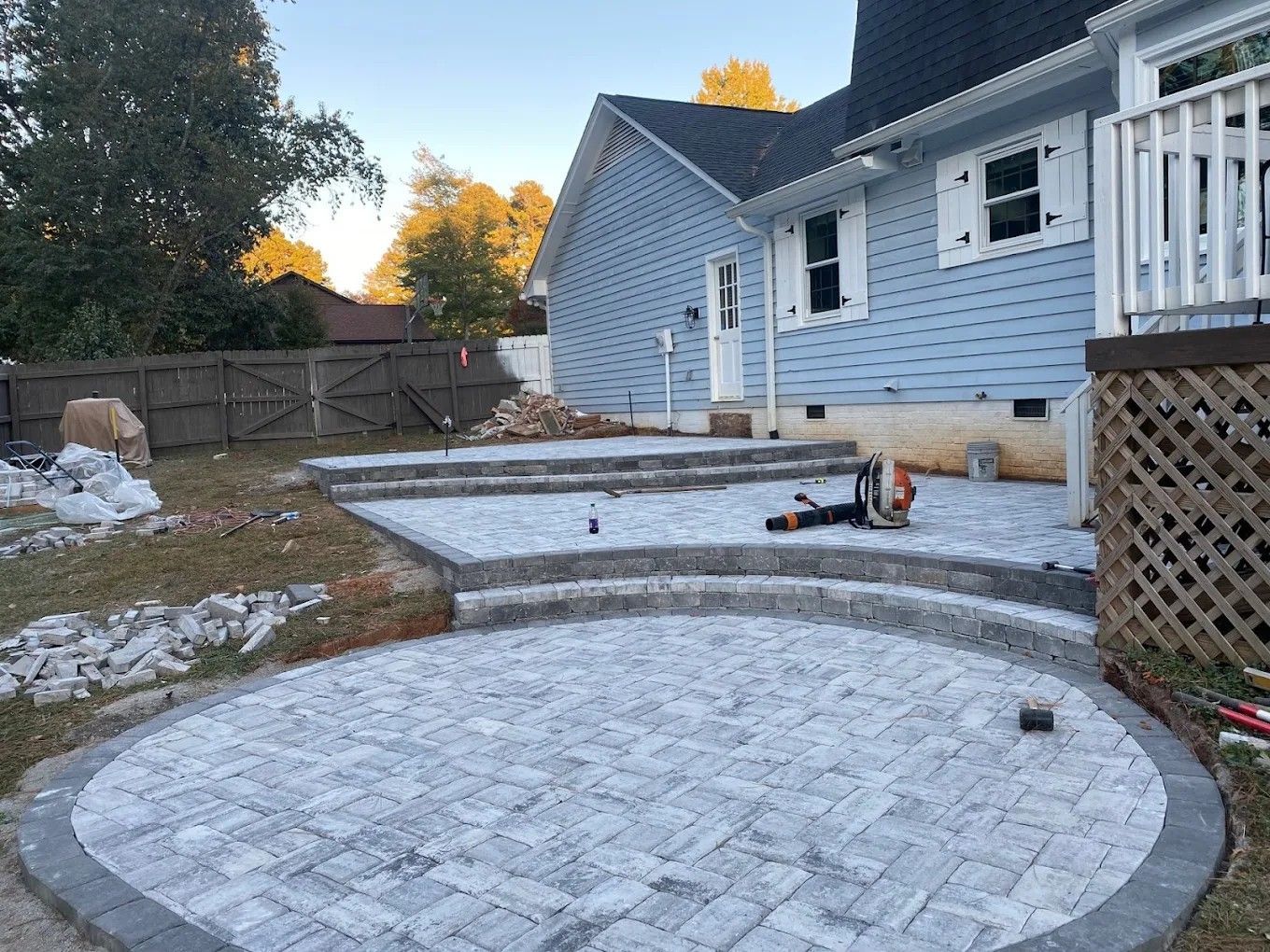
Yards that lack intentional design often suffer from isolated planting areas, dead zones where nothing grows well, and pathways that don't connect functional spaces logically. Landscape design addresses these issues by mapping how different outdoor zones relate to each other, to the home's architecture, and to site conditions like slope, sun exposure, and existing trees. Jes Landscaping LLC develops landscape designs in Raleigh, Wake Forest, Durham, and surrounding areas that organize outdoor space into purposeful areas—lawn zones for activity, planting beds for visual interest, hardscape features for gathering or circulation, and lighting that extends usability into evening hours.
The design process considers layout decisions before installation begins: where plant beds should transition to lawn, how pathways route foot traffic without creating shortcuts through turf, whether retaining walls or grade adjustments solve drainage problems, and what planting arrangements provide year-round structure while accounting for Raleigh's seasonal growth cycles. Design prevents costly rework by identifying conflicts between irrigation placement and hardscape construction, or between mature plant size and building clearances.
Discuss your property's current challenges, intended outdoor uses, and aesthetic preferences with the design team to develop a plan suited to your lot.
What Landscape Design Actually Accomplishes
A landscape design begins with site analysis: measuring sun patterns throughout the day, identifying drainage flow and problem areas, noting existing vegetation worth preserving, and understanding how you move through and use outdoor spaces currently. The design then organizes these observations into a layout that addresses circulation, defines activity zones, selects plant palettes based on light and moisture conditions, and integrates hardscape elements like patios, walkways, or retaining walls where they solve functional problems or improve access.
After the design is finalized, you receive a plan that shows plant placement with mature size projections, hardscape dimensions and materials, lighting locations for pathways and feature areas, and grading adjustments where needed for drainage or leveling. The plan eliminates guesswork during installation by specifying plant quantities, soil amendment requirements, and construction details for any built elements. It also provides a reference for phased installation if budget or timing requires breaking the project into stages.
Landscape design accounts for Raleigh's clay soils, seasonal temperature swings, and irrigation needs without over-planting areas that will become crowded within two growing seasons. The design also considers maintenance access for mowing, trimming, and seasonal bed care so the finished landscape remains manageable long-term.
Questions Before Starting Your Project
Homeowners beginning the design process often want clarity on what the service produces, how site conditions affect the plan, and what happens after design approval.
Jes Landscaping LLC develops landscape designs that organize your property's outdoor spaces into functional, cohesive areas suited to Raleigh area conditions and your specific use priorities. Set up a consultation to walk the property, discuss layout challenges, and review design options that fit your goals.
What does a landscape design include?
A complete design includes a scaled site plan showing plant locations and species, hardscape layouts with dimensions and materials, lighting placement, irrigation zones, grading notes for drainage improvements, and planting bed outlines with mulch or edging specifications.
How does the design process account for Raleigh's growing conditions?
Plant selections are matched to USDA Zone 7b requirements, accounting for summer heat stress, occasional winter freezes, clay soil drainage, and seasonal rainfall patterns that affect irrigation needs and plant establishment success.
Why does landscape design address circulation and layout before plant selection?
Circulation and layout determine where hardscape features, lawn areas, and planting beds make functional sense, which then defines the light levels, moisture conditions, and space available for specific plants rather than forcing plants into unsuitable locations.
What information do I need to provide during the design consultation?
Bring details about how you use outdoor spaces, priority areas for improvement, budget parameters, maintenance willingness, existing landscape elements you want to keep, and any drainage or access issues you've noticed.
When is design separate from installation, and when are they combined?
Design-only services make sense if you're planning ahead, need approvals for HOA or permitting, or intend to phase installation over multiple seasons; combined design-build services streamline the process when you're ready to complete the project immediately after approval.