
Soil Relief That Supports Root Growth
Lawn Aeration in Raleigh for compacted turf that struggles to absorb water and nutrients
Jes Landscaping LLC provides lawn aeration in Raleigh, Durham, Wake Forest, and surrounding areas for properties where compacted soil prevents grass roots from accessing what they need. You notice this service is necessary when water pools on the surface after rain, when the lawn feels hard underfoot, or when turf appears thin despite regular watering. Aeration opens channels in dense soil, creating pathways for air, moisture, and nutrients to reach the root zone where grass actually grows.
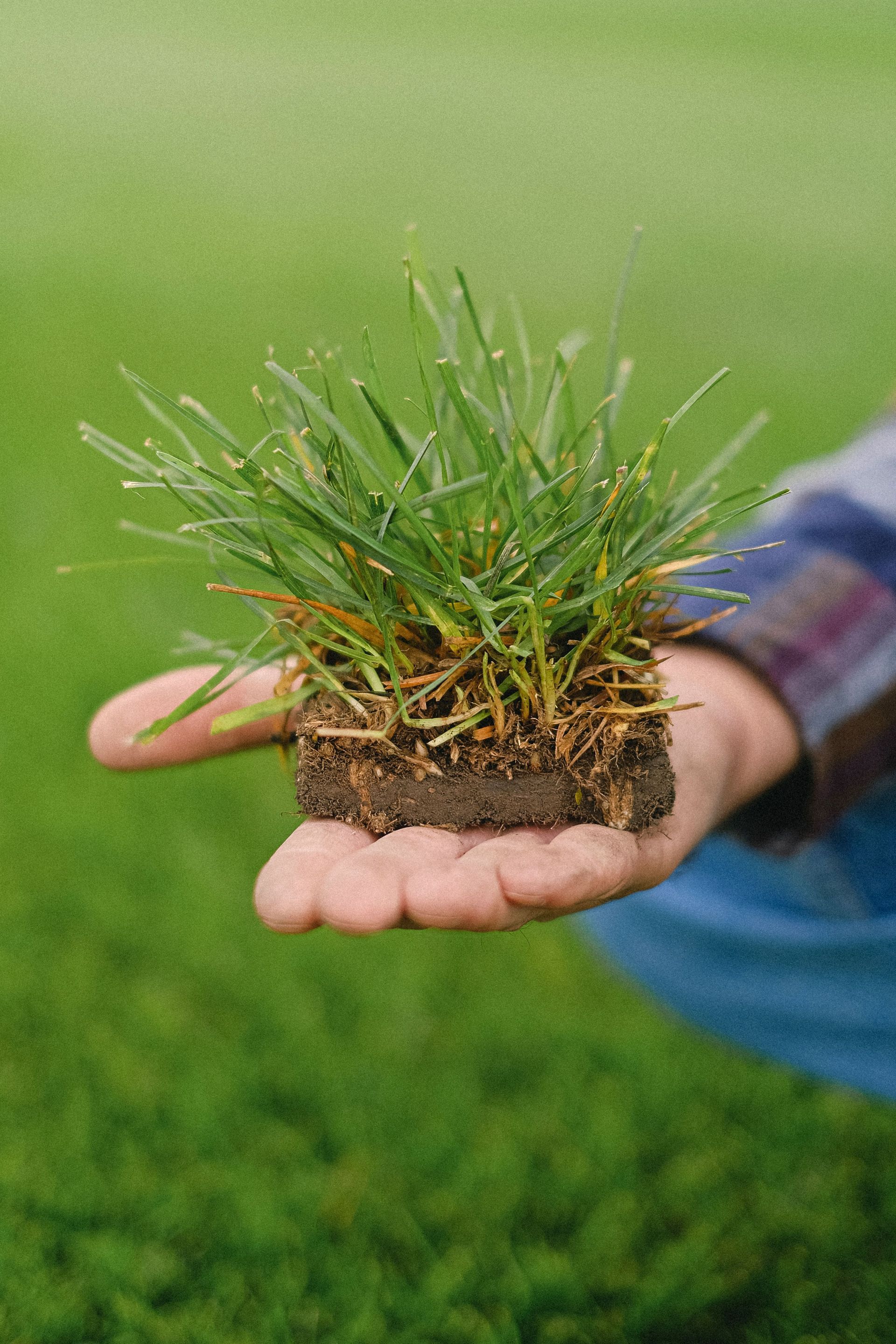
The process involves mechanically removing small plugs of soil from the lawn, which relieves pressure in compacted areas and allows the root system to expand. Dense clay soils common around Raleigh compress over time from foot traffic, mowing equipment, and seasonal weather cycles, gradually restricting root development. Aeration reverses that compression by creating space for roots to penetrate deeper and access resources that were previously locked out.
Schedule a property evaluation to determine whether your lawn's current condition and soil density would benefit from aeration this season.
What Proper Aeration Requires
Effective aeration depends on timing and soil conditions at the moment the work is performed. The soil must hold enough moisture to allow plugs to be pulled cleanly without crumbling, but not so much that equipment causes additional compaction. For warm-season grasses, aeration is typically performed during active growth periods when the turf can recover quickly and fill in the temporary disruption.
After aeration, you see small soil plugs scattered across the lawn surface, which break down naturally over the following weeks. The turf may look temporarily disrupted, but root growth accelerates in the days following treatment as air and water move freely into areas that were previously sealed off. Grass begins to thicken from below rather than simply growing taller, which produces a denser, more resilient lawn over time.
Aeration works best as part of a planned maintenance cycle rather than as an isolated treatment. It pairs well with overseeding and fertilization, since newly opened soil provides an ideal environment for seed germination and nutrient absorption. Properties with heavy use or clay-dominant soil often benefit from aeration on a yearly basis, while lighter soils may require attention less frequently.
What Property Owners Usually Ask
Homeowners preparing for aeration often want to know what makes their lawn a good candidate and how the process fits into their existing care routine.
Jes Landscaping LLC evaluates soil density, turf health, and seasonal conditions before recommending aeration for residential and commercial properties in Raleigh and neighboring communities. Request a lawn assessment to discuss whether aeration fits your property's maintenance plan and current growing conditions.
What signs indicate my lawn needs aeration?
Soil that resists a screwdriver pushed six inches down, water that pools rather than soaking in, or grass that remains thin despite fertilization all suggest compaction that aeration can address.
How does Raleigh's clay soil affect aeration timing?
Clay-heavy soils compact more readily than sandy soils, and aeration should be scheduled when the ground is moist but not saturated to prevent equipment from worsening compaction instead of relieving it.
What happens to the soil plugs left on the lawn?
The plugs dry out and crumble over two to three weeks, returning organic matter and microorganisms to the soil surface where they support continued breakdown of thatch.
When should aeration be combined with other services?
Aeration performed before overseeding allows seed to fall directly into the holes, and aeration before fertilization helps nutrients reach roots faster than they would on sealed soil.
How long does it take to see results after aeration?
Root growth begins within days, but visible changes in turf density and color typically appear over four to six weeks as the grass establishes stronger roots and increases shoot production.